Custom Shower Doors
Glass Shower Door Maintenance: Sparkling Clean Year-Round
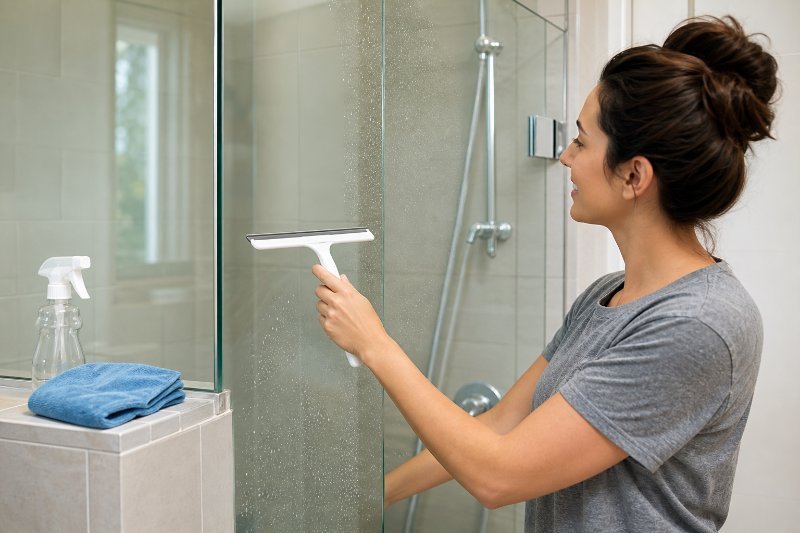
A clear glass shower door can make a bathroom feel open, bright, and polished. Then daily use begins. Water droplets dry into cloudy spots. Soap leaves a dull film. Metal hardware loses its clean finish. Before long, the enclosure looks older than it is.
The good news is simple. Most buildup is easier to prevent than remove. A few small habits can protect the glass, seals, tracks, and hardware without turning bathroom cleaning into a major project.
The right routine depends on several factors. Water quality matters. So do the glass treatment, hardware finish, bathroom ventilation, and cleaning products. Shelf breaks down what homeowners should know before reaching for a scrub pad or strong chemical.
Why Routine Shower Door Care Matters
Shower glass faces a demanding environment. It gets wet repeatedly. It is exposed to soap, shampoo, body oils, minerals, and cleaning products. Moisture also collects around hinges, brackets, handles, seals, and tracks.
None of these issues begin dramatically. They build layer by layer.
Hard water leaves minerals behind
Hard water contains dissolved minerals. When droplets evaporate, some of those minerals remain on the glass. Fresh spots may look like light white dots. Repeated deposits can create a cloudy or textured appearance.
The longer mineral residue stays in place, the harder it may be to remove. Aggressive scrubbing is not the best answer. Prevention is safer and usually faster.
A shower squeegee is one of the most useful tools for this job.
Good Housekeeping recommends daily squeegee use
to keep grime from accumulating between deeper cleaning sessions.
That habit takes less than a minute in many enclosures. Start at the top. Pull the squeegee down in overlapping passes. Wipe the blade between passes if it becomes dirty. Finish by removing water from ledges or the bottom rail.
Soap scum is more than dried soap
Soap scum is the cloudy, sometimes sticky film that develops where bath products meet water and body oils. Bar soap can be a frequent contributor, but shampoos, conditioners, body washes, and shaving products may also leave residue.
This buildup attracts more dirt. It can collect near the bottom of the door, along seals, and around hardware where water drains slowly. Waiting until the film is thick creates more work.
Frequent light cleaning is usually easier than occasional heavy scrubbing. As
Martha Stewart’s shower door cleaning guidance
notes, cleaning after each shower is simpler than tackling a month of accumulated buildup at once.
Corrosion can begin in overlooked areas
Shower door hardware is designed for bathroom use, but that does not make every component immune to damage. Water can sit around fasteners, hinge plates, handle bases, and metal channels. Soap residue can hold moisture against those surfaces.
Harsh chemicals create another concern. A product that is acceptable for plain glass may not be appropriate for plated hardware, protective coatings, gaskets, stone, tile, or grout. Overspray can land on all of them.
Corrosion may first appear as discoloration, roughness, pitting, or flaking around an edge. It can also develop on screws or other small components before becoming obvious elsewhere. Early attention helps protect the finish and makes it easier to identify a maintenance issue before it spreads.
Factors That Should Shape the Cleaning Routine
There is no universal cleaning formula for every shower enclosure. A frameless door with treated glass has different details than a framed bypass unit with tracks. The safest plan starts with the actual materials in the bathroom.
Water hardness and household use
Some homes develop mineral spots quickly. Others see more trouble from soap film. Usage also changes the workload.
Consider these practical questions:
How many people use the shower?
Does water dry in visible white spots?
Is the bathroom fan used consistently?
Do puddles remain on curbs, tracks, or ledges?
Does the enclosure have clear protective seals or sweeps?
Are several different bath products stored near the glass?
A heavily used shower may need more frequent light cleaning. A guest bathroom may need less attention, although standing moisture should still be removed.
If hard water is a persistent issue throughout the home, a water treatment professional can assess the water itself. A cleaner can remove surface residue, but it cannot change the mineral content flowing from the showerhead.
Glass coatings and manufacturer instructions
Some shower doors have a factory-applied protective coating. These treatments are intended to make residue less likely to bond firmly to the glass. They do not make a door maintenance-free.
The wrong cleaner or tool may compromise a coating. Before using vinegar, commercial limescale remover, abrasive powder, melamine foam, or a razor scraper, check the shower door manufacturer’s care instructions. If the glass is new, keep the product documentation with other home records.
Use the least aggressive method that works. Start with water and a clean microfiber cloth. Move to mild dish soap or a compatible glass cleaner if needed. Reserve stronger products for confirmed buildup, and only use them when the manufacturer permits it.
Nearby stone, tile, and finished surfaces
A cleaning product rarely stays only on the glass. It drips onto the curb. It reaches metal clips. It runs into grout joints. Fine spray can settle on faucets and accessories.
Acidic cleaners, including vinegar-based mixtures, may damage certain natural stones and other acid-sensitive materials. Abrasive tools can scratch metal finishes or dull plastic components. Even a product marketed for bathrooms may not suit every surface within the enclosure.
Apply cleaner to a cloth when overspray is a concern. Work in small sections. Rinse or wipe adjacent surfaces promptly. Always follow the product label, including ventilation, dwell time, protective equipment, and rinsing directions.
Never combine cleaning products. Chemical mixtures can create dangerous reactions. More cleaner is not automatically more effective.
Hardware finish and enclosure design
Polished chrome, brushed nickel, matte black, brass-tone, and specialty finishes may require different care. Strong acids, chlorine-based cleaners, abrasive powders, and stiff brushes can discolor or scratch some finishes.
Design also matters. Frameless doors have exposed hinges and brackets. Framed doors contain channels where water can collect. Sliding doors have overlapping panels and tracks that are easy to miss. Hinged doors often use a clear bottom sweep that catches residue.
Map the enclosure before cleaning. Identify:
Hinges and pivot points
Handles and towel bars
Wall brackets or channels
Bottom sweeps and vertical seals
Sliding tracks and drainage openings
Silicone joints
Glass-to-glass contact areas
This quick inspection turns random wiping into targeted maintenance.
Common Shower Door Cleaning Questions
Advice about shower glass often jumps from homemade mixtures to heavy-duty chemicals. That can make a basic job feel confusing. These answers keep the process grounded.
Can vinegar remove hard water spots?
Diluted white vinegar can help loosen some mineral deposits on compatible, untreated glass. It is not appropriate for every enclosure.
Do not assume that vinegar is harmless because it is a household ingredient. Its acidity can affect natural stone, some metal finishes, grout, and certain glass treatments. Confirm compatibility first. Protect nearby surfaces. Test an inconspicuous area and avoid extended contact unless the manufacturer allows it.
For light spotting, a damp microfiber cloth and mild soap may be enough. That is the better starting point.
Should glass be scrubbed with a razor blade?
A blade can scratch glass, damage coatings, catch on imperfections, or injure the person cleaning. It can also damage seals and silicone near the edge.
Avoid improvised scraping. Use a nonabrasive pad approved for the surface. If buildup will not release through compatible cleaning methods, consult the door manufacturer or a qualified glass professional before trying a sharper tool.
Do water-repellent sprays replace cleaning?
No. A compatible water-repellent treatment may help water bead and reduce visible spotting, but residue still reaches the enclosure. The glass still needs to be squeegeed and cleaned.
Product compatibility is critical. A retail treatment may not be suitable over an existing factory coating. Applying multiple products can also create streaking or uneven performance. Read both sets of care instructions before adding anything to the glass.
Is cloudy glass permanently damaged?
Not always. Cloudiness may be removable soap film, mineral residue, or leftover cleaner. In other cases, prolonged deposits or improper cleaning may have affected the surface.
Start by washing a small area with a compatible, nonabrasive cleaner. Rinse it thoroughly and dry it with a clean microfiber cloth. Compare that test area with the surrounding glass.
If the cloudiness remains unchanged, stop escalating to harsher methods. A professional can help determine whether the issue is surface buildup, coating damage, scratching, or etching.
Should hinges and rollers be lubricated?
Only when the manufacturer calls for it, and only with the recommended product. General-purpose oils can attract dirt, stain nearby materials, or affect plastic and rubber components.
Do not spray lubricant across the door. Overspray can make the shower floor slippery. If a hinge binds, a roller drags, or the door shifts, cleaning may not solve the underlying issue. Hardware adjustment and replacement should be handled carefully because tempered glass can be damaged by improper pressure or contact.
Can a magic eraser clean shower glass?
Melamine foam is mildly abrasive. It may remove residue, but it can also affect certain coatings, plastics, caulk, and finished hardware.
Treat it as an abrasive product rather than a soft sponge. Check the care instructions before use. Never scrub blindly across glass, metal, seals, and stone with the same pad.
A Practical Routine for Clear Glass and Protected Hardware
A reliable maintenance plan has three parts: quick moisture removal, scheduled cleaning, and regular inspection. Keep the tools close enough that using them feels automatic.
After each shower
Use this simple routine:
Run a squeegee from the top of the glass to the bottom.
Wipe remaining droplets from the lower edge, handle, and ledges.
Check that water is not pooling in a track or on the curb.
Leave the door positioned according to the enclosure’s instructions so surfaces can dry.
Run the bathroom exhaust fan or otherwise promote airflow.
Use a separate microfiber cloth for metal hardware. A cloth used with abrasive residue can carry that grit to polished finishes.
Avoid hanging wet towels over door hardware unless it was designed as a towel bar. Added weight and prolonged dampness are not helpful to hinges, handles, or seals.
For routine deeper cleaning
Gather a clean squeegee, microfiber cloths, a nonabrasive sponge, and a manufacturer-compatible cleaner. Then follow these steps:
Ventilate the bathroom.
Remove bottles and accessories from the work area.
Rinse loose residue from the glass.
Apply the cleaner according to its label.
Allow only the recommended contact time.
Agitate residue gently with a nonabrasive sponge.
Rinse thoroughly where the product requires rinsing.
Dry the glass and hardware rather than letting droplets evaporate.
Wash the squeegee blade and cloths before storing them.
Streaks often come from too much product, dirty cloths, or incomplete rinsing. Adding more chemical can make the problem worse. Switch to a fresh cloth and remove the remaining cleaner.
For tracks, seals, and corners
Use a soft toothbrush or small detailing brush where the manufacturer permits it. Focus on track corners, seal edges, and the space around brackets. Do not force tools under hardware or scrape silicone joints.
Clear drainage openings gently. Never enlarge them or insert a metal object that could scratch the frame. If water repeatedly stays in a track, the door may need inspection rather than more cleaning.
Clear vinyl sweeps can become discolored or stiff over time. Clean them with mild soap and water unless the care guide specifies another method. A cracked, loose, or distorted sweep should be evaluated for replacement.
Inspect while everything is clean
Cleaning creates a good opportunity to notice small changes. Look for loose handles, shifting seals, chipped glass, unusual gaps, deteriorated silicone, rough hardware movement, or rust-colored staining.
Do not tighten shower door hardware casually. Excess pressure, uneven pressure, or metal contact with the glass can create a serious problem. Keep slamming doors out of service and arrange an evaluation if anything appears loose or misaligned.
Keep the Enclosure Easier to Maintain
Clear shower glass does not require constant heavy scrubbing. It needs consistent moisture removal, compatible products, gentle tools, and attention to the places where water lingers.
Start small. Keep a squeegee inside the enclosure. Dry the hardware. Promote airflow. Clean residue before it becomes a thick layer. Check care instructions before trying a viral cleaning trick or a stronger chemical.
The enclosure itself also affects maintenance. Door style, glass treatment, hardware finish, wall conditions, and bathroom layout can make daily care simpler or more demanding. Those details are worth discussing before a new shower door is measured and installed.
A shower enclosure designed around the room can be easier to use and maintain for years to come. For a free estimate tailored to the wall, room, and intended use, call or text Shelf at
(845) 564-7400
and share a few details about the project. Shelf provides in-person help with shower doors, mirrors, bath accessories, and closet shelving.
Disclaimer:
The information provided in this article is for general informational and educational purposes only. Every home, space, and project is different, and product options, materials, measurements, installation requirements, pricing, and results may vary. For recommendations specific to your project, please consult with a Shelf design professional or another qualified professional.
Ready to start your project?
Get a free estimate on your custom closet, shower door, mirror, or glass work.
Get a free estimate →