Why Quality Work Matters for Cornwall Bathroom Mirrors
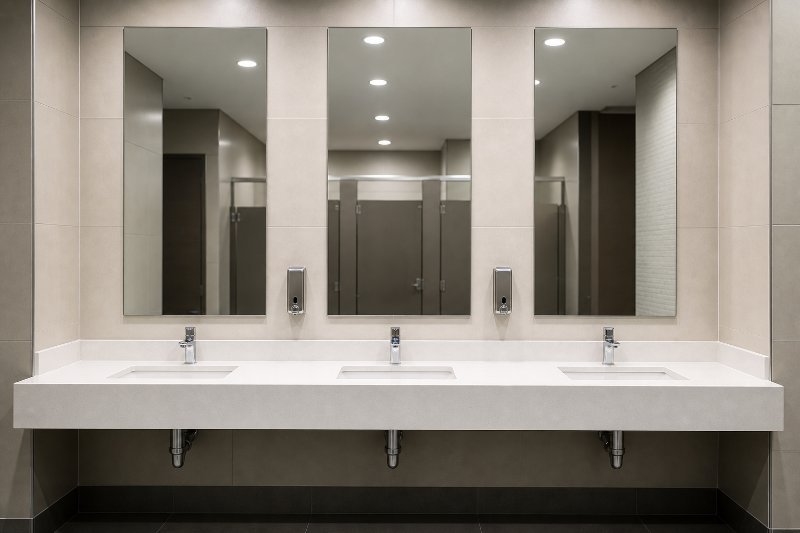
A bathroom mirror seems simple until the finished result is wrong. The reflection looks wavy. The edges sit unevenly. A lighted model flickers. The mounting hardware shows. Worse, the mirror shifts because the wall, adhesive, or support system was not properly evaluated. Quality work prevents those problems before installation begins. It accounts for the wall, vanity, lighting, outlets, faucets, and people using the room. That planning matters in every bathroom, from a compact powder room to a large primary suite. For homeowners in Cornwall, NY, a mirror is more than decoration. It is a working surface used every day. Good materials and careful installation help it look cleaner, perform better, and remain secure in a room where moisture and temperature changes are normal.
Why Bathroom Mirror Quality Matters More Right Now
Modern bathroom mirrors can include lighting, defogging features, touch controls, outlets, and other electrical components. These options are convenient, but they also add complexity. A basic sheet mirror and a powered LED mirror do not have the same product or installation requirements.
Electrical features require serious attention
A low-quality lighted mirror is not merely an appearance problem. Poor electrical construction can create a genuine hazard. A 2026 product safety report from the United Kingdom found that one LED bathroom mirror presented a serious fire risk. The report cited insufficient spacing between circuits and inadequate insulation. Details are available in the government’s
LED bathroom mirror product safety report
. That report does not mean every LED mirror is unsafe. It does show why product selection should go beyond price, brightness, or an attractive online photo. Before selecting a powered mirror, consider:
Who manufactured the product
Whether instructions and electrical specifications are clear
How the wiring will connect
Whether the product is appropriate for its intended location
Who will perform the electrical work
How the unit can be serviced after installation
Electrical connections should be handled by an appropriately qualified professional. Local requirements and bathroom conditions can affect what is acceptable.
Bathrooms are hard on materials
Steam, splashes, cleaning products, and changing temperatures create a demanding environment. Mirror edges, backing, adhesives, hardware, and electrical parts all need to suit that environment. Damage often starts subtly. A weak backing may deteriorate. An exposed edge may lose its clean appearance. Incompatible adhesive can affect the mirror backing. Hardware that was never intended for bathroom use may age poorly. Quality work looks at the full assembly, not only the reflective surface. The mirror, wall, mounting method, and room conditions must work together.
Key Decisions Behind a Reliable Installation
A successful mirror project begins with questions. How will the mirror be used? Who needs to see into it? What sits behind the wall? Will the vanity change later? Is there enough clearance for a faucet, backsplash, light fixture, or medicine cabinet? Skipping these questions can turn a beautiful mirror into a daily annoyance.
Accurate sizing and placement
A mirror should relate naturally to the vanity and room. It does not always need to match the vanity width, but its scale should feel intentional. A mirror that is too narrow can look undersized. One that is too wide may crowd sconces, cabinets, or nearby walls. Height also matters. Household members may have different needs, and an accessible bathroom can require more careful positioning. A 2026 City of Falls Church facilities assessment identified a mirror above a lavatory or countertop that needed to be lowered to a compliant reflective-surface height. The issue appears in the city’s
facilities assessment and ADA self-evaluation addendum
. That example makes an important point. A mirror can be securely installed and still be placed poorly for its users. Quality planning considers the usable reflective area, not just the outside dimensions. During measurement, account for:
Vanity and countertop width
Backsplash height
Faucet height and projection
Ceiling and trim lines
Wall-mounted lighting
Electrical outlets and switches
Towel rings and other bath accessories
Comfortable viewing height for intended users
Measure the actual room. Plans, product listings, and remembered dimensions are not reliable substitutes for field measurements.
Wall condition and support
Mirrors need a stable mounting surface. Drywall condition, tile, framing, existing holes, and concealed utilities can influence the installation method. A large mirror places different demands on a wall than a small framed model. Installers may use clips, channels, approved mirror adhesive, mechanical fasteners, or a combination of supports. The appropriate approach depends on the mirror and substrate, meaning the wall surface receiving it. More adhesive is not automatically better. The product must be compatible with mirror backing, and it must be applied according to its instructions. Mechanical support may still be appropriate depending on the project. The wall should also be checked for bows or irregularities. Glass does not flex like a decorative canvas. Trying to force a mirror against an uneven surface can create stress or leave visible gaps.
Reflection quality and edge finish
A mirror can technically reflect an image while still looking poor. Distortion is especially noticeable near straight lines such as door frames, tile joints, and cabinet edges. Viewed from across the room, those lines may appear bent or rippled. Edge details matter too. Common options include polished edges, beveled edges, frames, and concealed edges within a cabinet or trim assembly. The best choice depends on the style and exposure of the mirror. Careful fabrication helps produce:
Cleaner dimensions
Consistent edge treatment
Better alignment with surrounding finishes
Properly positioned cutouts, if required
A more intentional finished appearance
Cutouts for outlets or fixtures require particularly accurate coordination. A mistake may not be easy to correct after fabrication.
Common Questions About Bathroom Mirrors
Is custom glass always necessary?
No. A well-made standard mirror can work well when its dimensions fit the room and its mounting requirements are suitable. Custom fabrication becomes useful when the space has unusual dimensions, wall obstructions, sloped ceilings, special edge preferences, or precise alignment requirements. It can also help when a homeowner wants a wall-to-wall look or needs coordinated openings. The goal is not to choose custom work by default. The goal is to select the option that fits without awkward gaps, unsafe alterations, or visual compromises.
Can a homeowner install a mirror?
Some small, lightweight mirrors come with straightforward hanging systems. A capable homeowner may be comfortable installing one after reviewing the manufacturer’s instructions and wall conditions. Professional work becomes more valuable as size, weight, wiring, or complexity increases. Tile drilling, hidden plumbing, uneven walls, custom glass, and powered features raise the consequences of a mistake. There is also the handling issue. Mirrors can be difficult to maneuver through doorways and over vanities. Proper lifting, positioning, and temporary support protect both the product and the finished bathroom.
Does thicker glass automatically mean higher quality?
Thickness is only one specification. It can affect weight, handling, edge appearance, and how the mirror feels, but it does not compensate for poor fabrication or careless mounting. A quality project considers the complete package:
Glass appropriate for the application
A clear, consistent reflection
Well-finished edges
Compatible backing and adhesive
Dependable mounting hardware
Accurate measurements
Careful installation
Choosing based on thickness alone is like selecting a shower door only by its glass. Hardware, measurements, layout, and installation still matter.
Are LED mirrors worth considering?
They can be. Integrated lighting can support grooming and create a clean appearance. Some models also offer dimming or defogging functions. Yet the product must fit the room’s electrical plan and intended use. Ask how the mirror is powered, controlled, serviced, and mounted. Review product documentation before the wall is finished. If wiring needs to be relocated, early coordination is far easier than reopening completed tile or drywall.
How to Prepare for a Better Mirror Project
Good preparation gives the installer useful information and gives the homeowner clearer expectations. Start by photographing the full wall. Include the vanity, lighting, outlets, adjacent cabinets, and ceiling. Close-up photos are helpful, but a wide view explains how everything relates. Next, gather basic measurements. Record the vanity width, available wall width, backsplash height, and distance to nearby fixtures. These measurements support an early conversation, but final fabrication should rely on confirmed field dimensions. Then think about daily use. A household sharing one bathroom may value a broad mirror. A powder room may call for a smaller decorative piece. Someone seated at the vanity may need a different reflective height than someone standing. Before approving the work, confirm:
Final mirror width and height
Exact position on the wall
Edge or frame style
Mounting method
Clearances around fixtures
Electrical responsibilities for powered models
Whether existing accessories must be moved
How the surrounding wall will be protected
An in-person review is useful because photos do not always show wall texture, uneven tile, tight corners, or subtle alignment issues. Visiting Shelf’s physical location by appointment can also make it easier to discuss mirror options alongside shower doors, bath accessories, and closet shelving. Call first for current visit details and directions.
A Quality Mirror Should Feel Effortless Every Day
The best bathroom mirror rarely calls attention to its installation. It sits straight. The reflection looks natural. Its scale suits the vanity. Edges and supports feel finished. Lighting and accessories have enough room. Most importantly, the mirror is selected and mounted with the actual bathroom in mind. Cutting corners can create visible flaws, difficult repairs, or safety concerns. Careful measurement, suitable materials, sound support, and qualified electrical coordination provide a stronger foundation. Those details may be hidden after installation, but they shape how well the mirror performs.
A mirror estimate should reflect the real wall, room layout, and intended use, not a rough guess from a product photo. For a free estimate tailored to a Cornwall bathroom project, call or text Shelf at
(845) 564-7400
and share a few details about the mirror, vanity, and space.
Disclaimer:
The information provided in this article is for general informational and educational purposes only. Every home, space, and project is different, and product options, materials, measurements, installation requirements, pricing, and results may vary. For recommendations specific to your project, please consult with a Shelf design professional or another qualified professional.